Panic Bar & Exit Device Install
Commercial doors in Stone Mountain — from the retail corridors along Main Street to the office parks near Stone Mountain Park — carry a legal and moral obligation: every exit must work when it matters most. A push bar or exit device that binds, misaligns, or fails to latch is not just an inconvenience; it is a building-code violation and a genuine life-safety hazard. A1 Stone Mountain Locksmiths installs and services code-compliant panic bar and exit device hardware on commercial doors of every type, and because we operate as a fully mobile, 24/7 team, we come directly to your property rather than asking you to haul hardware to a shop.
Open 24 hours, 7 days a week · Licensed, bonded & insured
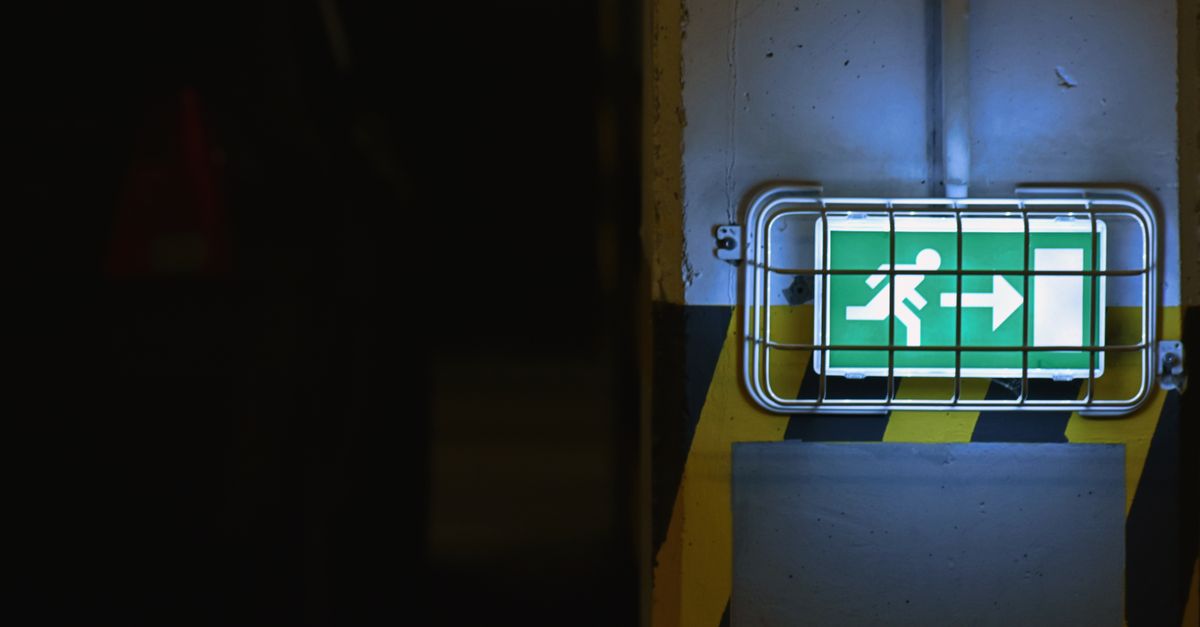
Our trained, insured technicians bring the right tools and the right parts to get exit doors functioning properly — whether you are opening a new tenant space, replacing a worn push bar, or upgrading an older single-point latch to a full mortise lock exit device for superior security and compliance. Every job starts with a clear, confirmed price before a single screw turns, so there are no billing surprises when the work is done.
What we do
Available 24/7
Day, night, weekends and holidays — a real local locksmith answers and rolls a fully-stocked van.
Fast local response
Based in Stone Mountain, we reach the Stone Mountain area in well under an hour.
Insured & background-checked
Vetted technicians, up-front pricing, and no surprise add-ons when we arrive.
Damage-free entry
We pick and bypass locks the right way, so most lockouts are solved without drilling anything.
More about our work
Everything you need to know about how we help — at a glance.
Why Panic Bar Installation Matters for Commercial Code Compliance
Life-safety codes — primarily NFPA 101 and the International Building Code as adopted in Georgia — require panic hardware on certain assembly, educational, high-occupancy, and hazardous-use doors. The trigger is occupant load: once a space hits the applicable threshold, a conventional knob lock or lever handle is no longer compliant on the egress path. A push bar allows any person, regardless of physical ability or panic state, to exit by applying simple body pressure to the horizontal rail. That single design requirement has saved lives in high-pressure evacuation scenarios for over a century, and Georgia code enforcement takes it seriously during certificate-of-occupancy inspections and fire-marshal walk-throughs.
For Stone Mountain business owners, non-compliant exit hardware can result in failed inspections, insurance complications, and liability exposure if an incident occurs. Our commercial locksmith team reviews your door schedule, confirms the applicable code tier, and recommends the right device class — rim-mounted, surface-mounted vertical rod, concealed vertical rod, or a mortise lock exit device that combines a full-mortise body with an integrated push-bar trim — before we order a single piece of hardware.
Mortise Lock Exit Devices: Higher Security on High-Traffic Doors
A standard rim-mounted panic bar secures the door at one point — the strike plate on the frame. A panic bar with mortise lock adds a full mortise lock body machined into the door edge, giving you deadlocking latchbolt action, a true deadbolt, and often an auxiliary latch, all actuated simultaneously when the bar is depressed. This makes a mortise lock panic bar the preferred solution for exterior doors on banks, medical offices, storage facilities, and any commercial space where after-hours intrusion is a real concern. Brands such as Von Duprin produce mortise lock exit device configurations that are widely specified by architects precisely because of their durability and the security depth a mortise body provides versus a simple rim latch.
Installing a mortise lock exit device is considerably more involved than swapping a rim bar. The door edge must be precisely mortised to accept the lock body — typically a pocket 1 inch wide by 3.5 to 4 inches tall cut to exact depth — and the strike must be routed into the frame. Our skilled technicians use proper door-prep tools and verify door thickness, backset, and fire-door label requirements before cutting begins. When done correctly, the result is a nearly flush installation that does not compromise the door's fire rating. When done wrong, you have an oversized gap that voids the fire label and creates a security weakness. Precision is why this work belongs with an experienced commercial locksmith, not a general handyman.
Our Panic Bar & Exit Device Install Process: What to Expect On-Site
When our mobile unit arrives — whether it is a scheduled daytime installation for a new Stone Mountain retail build-out or an emergency call because a push bar failed at close of business — our technician's first step is a full door assessment. We check the door material (hollow metal, solid wood, aluminum storefront), the frame condition, the existing prep work if any, the fire-door label if present, and the intended latch or lock function. That assessment drives the hardware selection and directly informs the confirmed up-front quote we provide before work begins. Factors that shape the final price include the type of device being installed, whether door prep or frame routing is required, the time of day, travel distance to your location, and any parts that need to be sourced — all of that is explained clearly before we proceed.
Installation itself follows a methodical sequence: template layout, prep work, device body installation, trim and rail attachment, strike preparation and installation, and full operational testing in both push-to-exit and outside-lever or cylinder entry modes. Where a door knob lock or separate cylindrical lock previously occupied the door, we remove it cleanly and fill or redirect any mismatched preps without leaving ragged edges in the door face. We test the device under simulated load pressure, verify the latch projects and retracts correctly, confirm the dogging mechanism (if applicable) operates, and check that the outside trim — whether a key cylinder, thumbturn, or lever — functions independently of the push bar. Before we leave, you operate the door yourself and sign off that everything works as expected. Need service now? Call (770) 464-5766 — our team answers every hour of every day.
Additional Commercial Door and Lock Services We Provide Stone Mountain Businesses
Panic bar and exit device work rarely happens in isolation. A complete commercial door overhaul often touches several hardware categories, and our team handles all of them in a single visit. Below is a representative — though far from exhaustive — list of the specific commercial locksmith services we perform regularly across the Stone Mountain area: mortise lock installation and replacement on wood and metal doors; door knob lock replacement on interior office and storage doors; cylindrical lever lockset installation; keyway rekeying for complete building master-key systems; master key system design and implementation; high-security cylinder upgrades on existing mortise bodies; panic bar repair including broken push rails, failed dogging pins, and seized latch bolts; panic bar replacement when a device is beyond adjustment; rim-device installation on aluminum storefront and glass doors; surface vertical rod device installation on pairs of doors; concealed vertical rod device installation and rod alignment; top and bottom rod adjustment on existing vertical-rod devices; door closer installation and adjustment for proper latching speed and back-check; electric strike installation for access-control integration with exit devices; magnetic hold-open device installation on fire doors with proper alarm integration; emergency locksmith response for commercial lockouts when a failed device traps employees inside or outside the building; commercial deadbolt installation on secondary egress doors; file room and office suite lockset replacement; safe installation and repositioning inside commercial spaces; key duplication for restricted keyways; broken key extraction from mortise cylinders; door frame repair assessment following forced-entry damage; hinge-side security reinforcement on outswing doors; door edge guard and latch-guard installation to prevent latch shimming; and exit sign and door hardware compliance consultation to identify mixed-hardware issues before an inspection.
Choosing the Right Hardware and Knowing What Proof a Locksmith May Need
One question we hear often is: what proof do I need for a locksmith when calling about commercial doors? For business property, we ask for verification that connects you to the site — a business license, a lease agreement showing your name and the address, a property deed, or a corporate ID combined with a utility bill at that address. This is standard practice for any reputable commercial locksmith, and it protects both you and us. We verify ownership or authorization before performing any work, every single time, regardless of urgency. If you manage multiple locations or are a property manager overseeing a portfolio of Stone Mountain commercial spaces, we can establish an account relationship that streamlines future service calls.
On the hardware selection side, the panic bar market ranges from economy-grade devices intended for light-use interior corridors to heavy-duty, UL-listed devices rated for exterior use in high-traffic occupancies. We help you navigate that range without overselling. A Von Duprin mortise lock exit device installed on a busy exterior door will outlast a lighter rim device by many years under the same use conditions, but the right tool for a light-traffic interior stairwell door is different from the right tool for a school's main exterior exit. Our technicians walk you through the relevant considerations — fire-door rating, outside trim function, dogging requirements, and finish matching — so you make an informed decision. Call us at (770) 464-5766 any time to talk through what your specific doors need before committing to a hardware order.
Frequently asked questions
How long does it usually take for a locksmith to come for a commercial panic bar call?
For emergency commercial locksmith calls in the Stone Mountain area, our mobile technicians typically arrive within 20 to 45 minutes, depending on current traffic conditions and how many units are already deployed nearby. We are a 24/7 operation, so there is no waiting until morning for an after-hours device failure. Scheduled installations for new hardware or planned replacements are booked at a time that works around your business hours, and we confirm an arrival window so you can plan accordingly.
Can a locksmith open any lock, including a seized or failed panic bar?
A skilled locksmith can address the vast majority of lock and exit device failures encountered in commercial settings — including seized push bars, failed mortise lock bodies, broken vertical rods, and jammed latch bolts. There are edge cases where severe corrosion or physical damage makes non-destructive entry impossible, but our technicians exhaust every legitimate, damage-free technique before recommending any destructive approach. If the device must be drilled or cut to restore egress, we explain exactly why, what it will cost, and what replacement hardware options are available before proceeding.
Do you have to have a license to be a locksmith in Georgia?
Georgia does not currently impose a statewide mandatory licensing requirement specifically for locksmiths the way some other states do. However, that does not mean all practitioners are equally qualified. The meaningful markers to look for are verifiable business registration, proof of insurance, and a demonstrated track record with the specific type of work you need — particularly for complex commercial work like mortise lock exit device installation. At A1 Stone Mountain Locksmiths, our technicians are trained, experienced professionals and the business is fully insured, so you have real protection if anything unexpected occurs during a job.
What factors determine the cost of a panic bar installation or replacement?
Several variables shape the final price for any panic bar installation or panic bar replacement job. The type and grade of the device itself is a primary factor — a heavy-duty mortise lock panic bar costs more in parts than a basic rim device. Door preparation requirements matter significantly: a door that is already prepped for the correct backset and height requires far less labor than a door that needs new mortising or frame work. Time of day affects pricing because after-hours and emergency calls carry a different rate than scheduled daytime appointments. Travel distance from our current position to your Stone Mountain location is also factored in. We confirm an exact, all-in price before any work begins, so you know the full number before we touch the door.
What is the difference between a rim panic bar and a mortise lock exit device, and which one do I need?
A rim panic bar mounts on the surface of the door and engages a strike at the door frame using a single latch point. It is straightforward to install and works well for many interior and lower-security exterior applications. A panic bar with mortise lock incorporates a full mortise lock body set into the door edge, providing a deadlocking latch, a deadbolt, and sometimes an auxiliary latch — all operated by the push bar from inside and a key cylinder or lever from outside. A mortise lock exit device is the better choice for high-traffic exterior doors, doors in high-security areas, or doors where after-hours intrusion resistance is a priority. Our technicians assess your specific door, its fire-door rating if applicable, your occupancy type, and your security goals to recommend the correct device class for your situation.
Can you install panic bars on glass storefront doors or aluminum-frame doors?
Yes. Aluminum storefront and all-glass doors require panic devices specifically designed for narrow-stile frames, and our commercial locksmith team works with these regularly. The installation process differs from hollow-metal or wood doors — the rail must be sized to the door width, the end caps must clear the frame profile, and the latch or lock mechanism must be compatible with the frame's strike pocket dimensions. We assess the door manufacturer's specs and the existing frame prep before selecting compatible hardware, ensuring the installed device operates correctly and meets the applicable egress code requirements for your building type.
Locked out or need a lock fixed? We are on the way.
Open 24 hours, 7 days a week · Insured, background-checked technicians · Up-front pricing
(770) 464-5766