A1 Stone Mountain Locksmiths Service Team
Local locksmith team
May 25, 2026 13 min read
Running a business near Stone Mountain means juggling a hundred priorities at once — payroll, customers, inventory, staff. Security often gets pushed to the back burner until something goes wrong: a former employee still has a key, a mortise lock on the front door starts misbehaving, or a late-night alarm call reveals a compromised entry point. That is exactly when having a trusted commercial locksmith relationship already in place makes all the difference. At A1 Stone Mountain Locksmiths, we work with local business owners along Stone Mountain-Lithonia Road, around the Village at Stone Mountain, and throughout the broader DeKalb County corridor to make sure their locks, access systems, and security hardware are working as hard as they are.
This guide is designed to help you think through the decisions that actually matter for your business: what grade of hardware belongs on your doors, whether a master key system makes sense for your operation, and when employee turnover should trigger an immediate lock change. Whether you manage a small retail shop, a multi-suite office building, or a warehouse facility, the principles here apply — and our team is ready to walk you through every option in person.
## Why Hardware Grade Is the First Decision Any Commercial Locksmith Should Discuss with You
Not all locks are created equal, and the difference between a Grade 1 and a Grade 3 commercial door knob lock is not just a marketing label — it reflects real-world cycle testing, resistance to forced entry, and longevity under heavy daily use. The American National Standards Institute grades commercial locks on three tiers. Grade 1 is the highest and is what we recommend for primary entry doors, server rooms, and any access point that sees frequent traffic or holds high-value assets. Grade 2 suits interior office doors and secondary entries. Grade 3 is generally residential territory and has no place on a commercial door that matters. When our team arrives for an initial assessment, we look at each door individually — its traffic volume, exposure to weather, and risk level — before recommending a hardware tier. A single mismatched lock on a back door can undermine an otherwise solid perimeter.
Mortise locks deserve a special mention here because they are the workhorse of serious commercial security. Unlike a standard cylindrical lock that simply bores into the door edge, a mortise lock is set into a deep pocket routed directly into the door slab. That construction makes it dramatically harder to kick in or shimmy open. Mortise lock bodies also accommodate a wider range of functions — deadbolt, latchbolt, and sometimes a privacy or passage mode — all within one trim unit. If your Stone Mountain business currently has cylindrical knob locks on its main entry, upgrading to a quality mortise lock is one of the highest-return security investments you can make. We carry and install several hardware lines and will show you the physical product before any work begins so you understand exactly what is going on your door.
## Master Key Systems: What Every Commercial Locksmith Client Should Understand Before Committing
A master key system sounds simple — one key opens everything, individual keys open only specific doors — but designing one correctly requires real planning. Done well, it gives a business owner or manager frictionless access to every lock on the property while keeping employees restricted to the areas they actually need. Done poorly, it creates a false sense of security: if the master key is ever copied or lost, the entire system is potentially compromised. Our approach is to map your access hierarchy before we cut a single key. Who needs access to the whole building? Which employees should reach only the break room and their own office? Does your storage area need a separate keyway entirely? Those questions drive the system design, not the other way around.
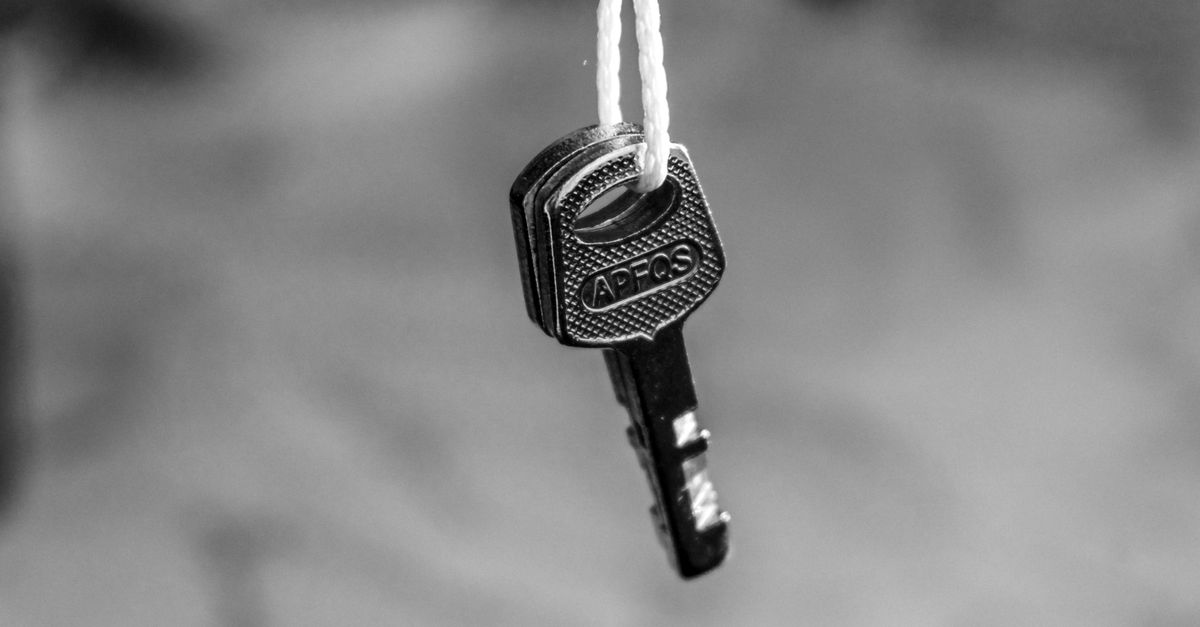
We also discuss key control as part of every master key conversation. Key control means choosing a restricted keyway — a profile that cannot be duplicated at a hardware store kiosk — so that only our shop can cut additional keys, and only with your authorization. For businesses that have been through multiple ownership changes or years of staff turnover, this is often the single biggest security gap we find. If you are not certain who has copies of your current keys, that uncertainty itself is a reason to rekey or replace your locks before building a new master system on top of a compromised foundation. Call us at (770) 464-5766 and we can do a fast on-site evaluation at a time that works for your schedule.
## Employee Turnover and Lock Changes: When to Act and What a Locksmith for Commercial Doors Actually Does
Georgia is an at-will employment state, which means staff transitions can happen quickly and sometimes without much notice. The security question that follows every departure — especially an involuntary one — is simple: does that person still have physical or duplicated-key access to your building? The answer determines how urgently you need to act. For a trusted long-term employee who left on good terms and returned all keys, rekeying may simply be a best-practice precaution you schedule within a few weeks. For a termination that involved conflict, or any situation where you cannot confirm all keys are back in hand, treating the lock change as an emergency commercial locksmith situation is the right call.
Rekeying and replacing are two different services, and which one fits depends on the condition and age of your existing hardware. Rekeying involves disassembling the lock cylinder, swapping out the pin stack to a new combination, and cutting fresh keys — the lock body itself stays in place. It is typically faster and less involved than a full replacement, and it is effective as long as the hardware is in good condition. If the lock is worn, damaged, or simply the wrong grade for the door it is on, replacement makes more sense. We handle both services on commercial door knob locks, deadbolts, mortise lock assemblies, padlocks, and more. The factors that go into the final quote — lock type, number of cylinders, any hardware that needs sourcing, and whether you need after-hours service — are all explained up front so there are no surprises on the invoice. We confirm an exact price before any work starts.
## Emergency Commercial Locksmith Situations: What to Do Before We Arrive
A lockout at 2 a.m. before a 6 a.m. opening shift is stressful, but a few calm steps before you call will make the process smoother. First, walk the perimeter and check every access point — a back door, loading dock entry, or secondary entrance you may not use daily might be accessible through a manager who has a key. Do not attempt to force, pry, or manipulate any lock yourself; beyond the risk of injury, physical damage to the lock body can complicate the legitimate entry process and may void manufacturer warranties on newer hardware. Second, have your ownership or management documentation ready. Any professional locksmith will ask for proof that you have the right to access the property — a business card, a lease agreement photo on your phone, a utility bill, or a driver's license matching the business address are all practical options. That verification step protects you just as much as it protects us.
Once you call (770) 464-5766, our mobile team is dispatched immediately. Because we operate 24/7 across the Stone Mountain area, response is typically prompt regardless of the hour, though exact arrival time depends on your location and current call volume — we will give you an honest estimate when you call. We arrive with a fully stocked vehicle, so the most common commercial lock services — emergency entry, rekeying, mortise lock service, hardware replacement — can usually be completed in a single visit without a return trip for parts. If your situation also involves a vehicle lockout while you are on-site dealing with a building issue, our team handles emergency locksmith for cars as well, so you are not calling two different services.
## Building a Long-Term Security Plan with Your Commercial Locksmith
A one-time lock change solves an immediate problem, but the businesses we see maintain the strongest security posture are the ones who treat their locksmith as an ongoing resource rather than a break-fix vendor. That means periodic hardware audits — ideally annually — to catch worn cylinders, misaligned strike plates, and door knob locks that are starting to show their age before they fail during business hours. It also means having a documented access policy: who holds keys, where the spares are stored, and what the procedure is when a key goes missing or an employee departs.
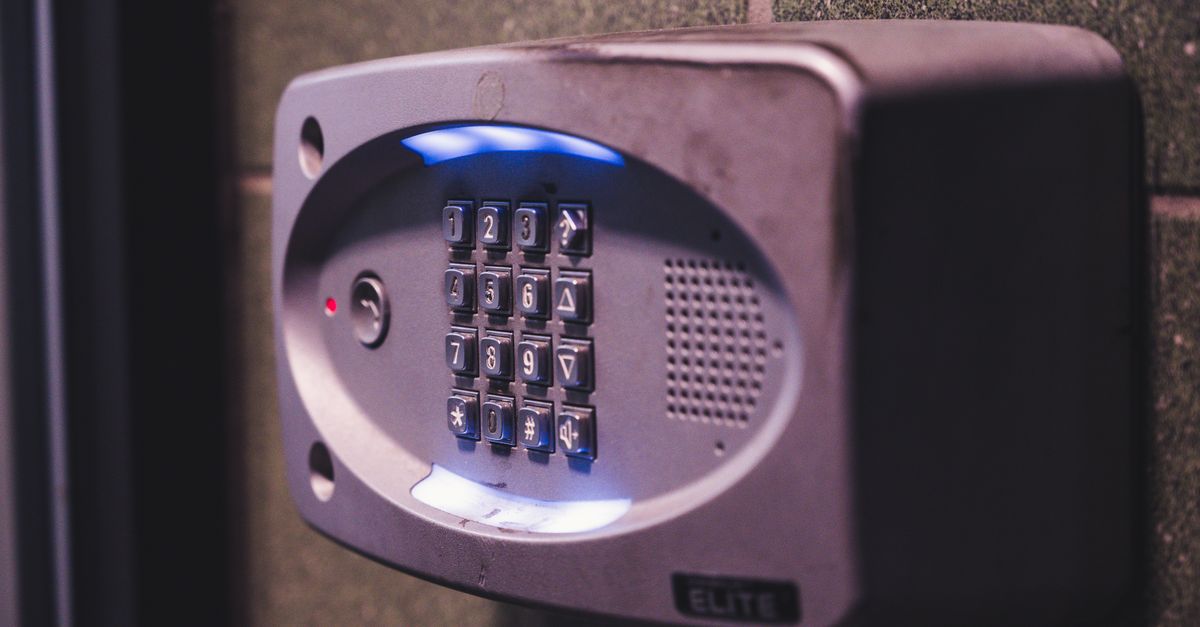
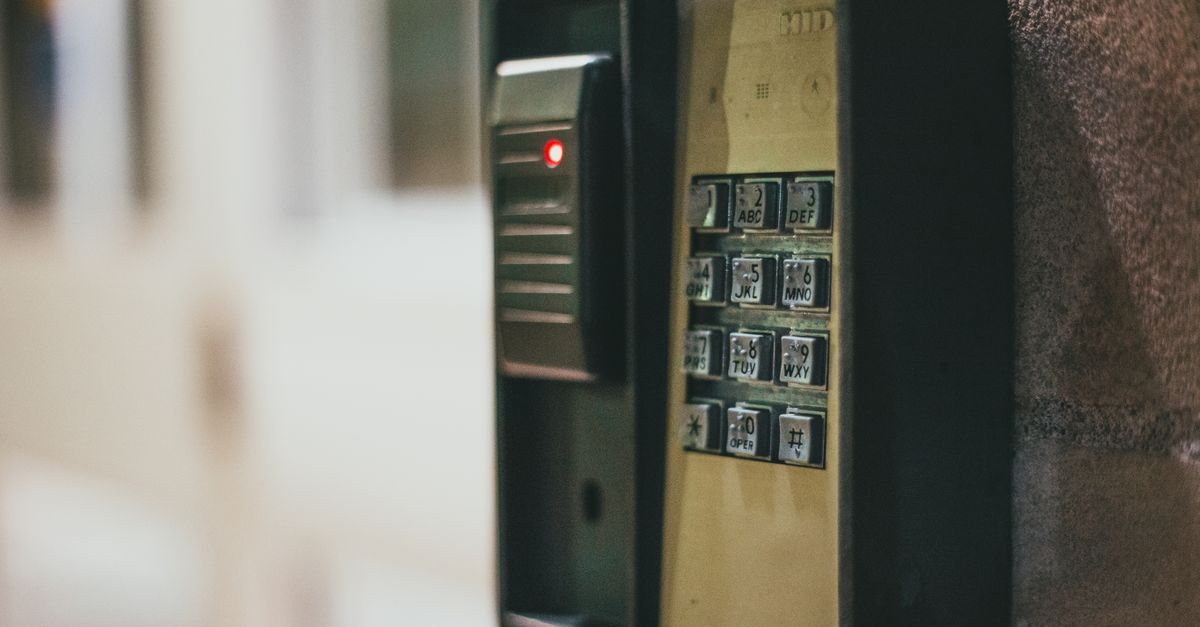
Our commercial locksmith services extend well beyond the basic lock change. We install and service mortise lock systems, high-security deadbolts, push-bar panic hardware, keypad and electronic access systems, mailbox and cabinet locks, and padlock hasps for storage areas. We also assist with situations that blend residential and commercial needs — for instance, a studio apartment above a retail space, or a home-based business where a strong front-door mortise lock serves double duty. Whatever the configuration, the goal is the same: every access point should be as secure as the most sensitive thing behind it. If you are ready to take a more structured look at your business's security, our team is available around the clock — call (770) 464-5766 to schedule a consultation or request immediate assistance.
## Our Commercial Locksmith Services at a Glance
Here is a representative list of what our team handles for Stone Mountain area businesses: mortise lock installation and repair, commercial door knob lock replacement, Grade 1 and Grade 2 deadbolt installation, master key system design and cutting, restricted keyway programs for key control, rekeying of individual cylinders or entire buildings, high-security cylinder upgrades, panic bar and push-bar exit device installation, electronic keypad lock installation, door closer adjustment and replacement, commercial padlock service, cabinet and file lock replacement, mailbox lock service, strike plate reinforcement and replacement, door frame and jamb repair in coordination with lock work, access control system consultation, key duplication for authorized keyholders under a master system, after-hours emergency entry for commercial properties, safe consultation and referral, storage unit lock service, loading dock security assessment, interior office door lock installation, server room and data closet lock upgrades, lock audits and security walkthroughs, and vehicle lockout service for business owners and staff on-site.
## What to Look for When You Are Choosing Any Commercial Locksmith — and Why Local Knowledge Matters
When evaluating a commercial locksmith, a few qualities matter more than any marketing claim. First, look for demonstrated experience with the specific type of lock work you need — a technician who spends most of their time on residential deadbolts may not be the right fit for a complex mortise lock installation on a steel commercial door. Ask directly: how often do you work on mortise locks? What master key systems have you designed? Have you worked with buildings similar to mine? A skilled, experienced technician will answer those questions confidently and specifically.
Second, look for transparency in the quoting process. A trustworthy commercial locksmith provides an exact price before work begins — not after the door is already open. The factors that shape a commercial quote include the type and brand of hardware involved, the number of locks or cylinders being serviced, the time of day (after-hours calls involve different logistics), and any specialty parts that need to be sourced. Third, local familiarity matters more than it sounds. A locksmith who knows the Stone Mountain area — the layout of properties along Memorial Drive, the mix of older commercial buildings with legacy hardware and newer developments with electronic access — brings practical context to every job that a generalist passing through simply cannot. We are based here, we work here daily, and that is not a small thing when you need someone on-site fast.
Frequently asked questions
What proof do I need for a locksmith to access my commercial property?+
You should expect any professional locksmith to ask for verification before performing work on a commercial property — and that is a good sign, not an inconvenience. Practical forms of proof include a government-issued ID that matches the business name or address, a current lease or property deed, a business license, a utility bill in the business name, or confirmation from a property manager if you are a tenant. The specific documents matter less than being able to demonstrate a clear connection between yourself and the property. If you are in an emergency situation and do not have paperwork on hand, a combination of ID plus business cards plus a phone call to verify with a building manager can often serve. We handle verification quickly and professionally so it does not extend your wait unnecessarily.
Do you have to have a license to be a locksmith in Georgia?+
Georgia does not currently have a statewide licensing requirement specifically for locksmiths, which means the bar to calling yourself a locksmith is lower here than in some other states. That makes it all the more important to evaluate a provider on demonstrated experience, insurance coverage, and professional behavior rather than assuming a credential is protecting you. Our team is insured, trained through hands-on field work, and has deep experience with the range of hardware found in Stone Mountain commercial properties — from legacy mortise lock systems in older buildings to modern electronic access on new construction. When you call, ask about our experience with your specific type of lock or situation. A skilled technician will give you a direct, confident answer.
How long does it usually take for a locksmith to come to my Stone Mountain business?+
Arrival time depends on a few real-world variables: your exact location within the Stone Mountain area, current call volume, time of day, and traffic conditions. Because we operate as a mobile unit running 24 hours a day, seven days a week, we are never closed — but we will always give you an honest estimated arrival window when you call rather than a promise we cannot guarantee. For most locations along the Stone Mountain corridor into DeKalb County, our response is typically prompt. If you are dealing with a genuine emergency — a break-in attempt, an employee lockout at an opening shift, or a malfunctioning mortise lock holding up your business — call (770) 464-5766 right away and we will dispatch immediately and keep you updated.
Can a locksmith open any lock?+
An experienced commercial locksmith can open a very wide range of locks through legitimate, non-destructive methods — but the honest answer is that not every lock is equally accessible, and the right approach varies by lock type, condition, and situation. High-security cylinders and quality mortise lock assemblies are specifically designed to resist many standard entry techniques, which is exactly why we recommend them for your business. In practice, for common commercial door knob locks and standard deadbolts, a skilled technician can usually achieve entry without damage. For more complex or high-security hardware, additional time or a different technique may be needed, and in rare cases where non-destructive entry is not possible, we discuss drilling and replacement as a last resort — with your full understanding and approval before we proceed. We never force a solution that causes unnecessary damage.